
RememberSun, Sep 134 daysFOR CITIES, CHURCHES, ASSOCIATIONS AND SCHOOLS

Host the rushnyk

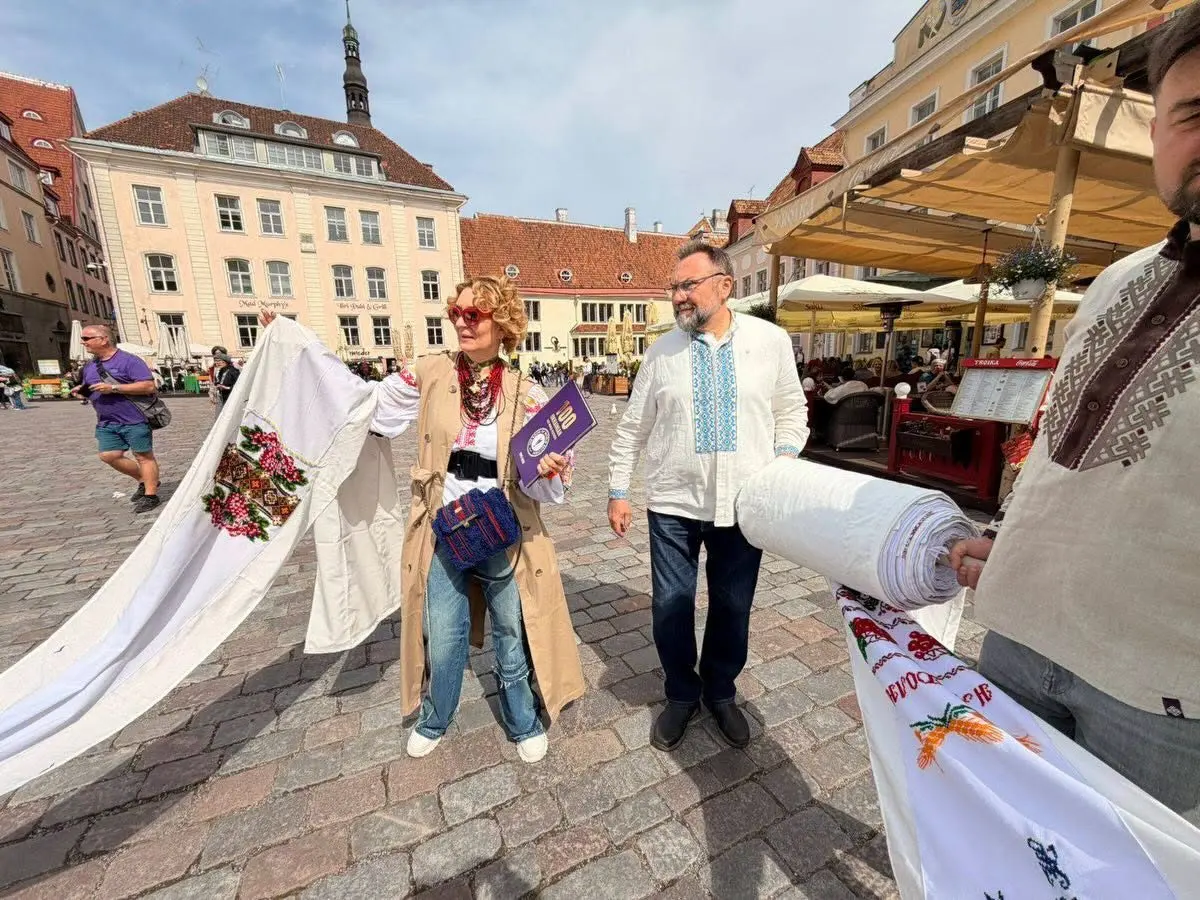
The cloth travels because communities take turns carrying it. Here is what a stop involves, what we bring, and what stays with you.

What a stop asks of you

A room or a street
Something long enough to unroll a substantial run of cloth, indoors or out. Churches, halls, bridges, market squares and school gyms have all worked.
A local organizer
One named person who answers email, meets the cloth, and stays reachable on the day.
Care of the cloth
It is hand-embroidered and irreplaceable. Dry hands, no shoes on it, no pins into panels, and someone watching it whenever the room is open.
Onward transport
You get the cloth to its next stop, or you tell us early that you cannot, so we can arrange it.
Photographs
Send us frames afterwards. The archive of this project is the only record it has.

What comes with it

The cloth itself
Delivered and collected, with a condition note at both ends.
The project's story, in your language
Panel captions and a short history you can print or read aloud, in English, Ukrainian or French.
A participation certificate
Signed by the project's author and curator, for the community that adds a panel at your stop.
Your city on the route
Once agreed, your stop and your organizer are published on the route page.
Press support
A release you can put your own name on, and someone from UAFest on the phone with your local newsroom.

Before you ask us

UAFest organizes the North American premiere of this project. The rights to the project sit with its co-organizers in Europe, and a stop is agreed with them, through us. We say yes to a city only when the coordinators say yes too.

Read the fact pack

Invite the rushnyk to your community

Tell us where you are, what space you have and roughly when. A person reads this and replies — usually within a few days.

Are you writing as a person or on behalf of an organization?

Optional. Your application is read either way.